Science-Backed Tips
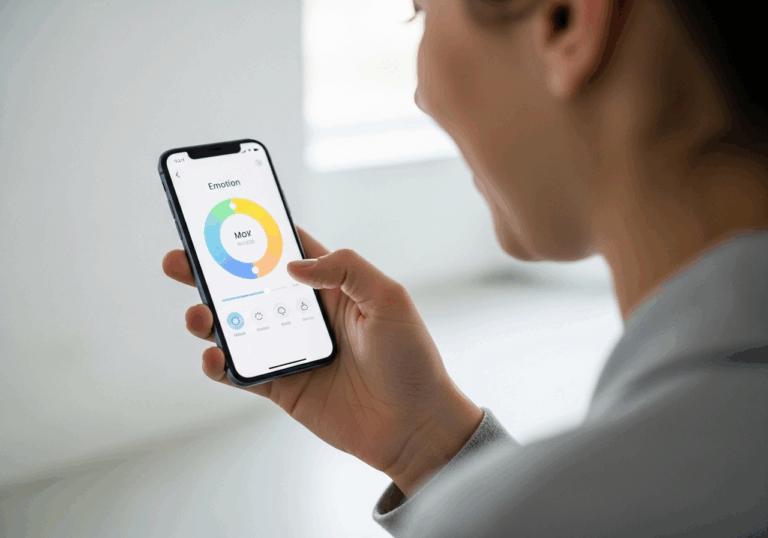
Boost Your Emotional Literacy with AI Tracking
Experience a 20% improvement in emotion recognition skills.
📊 Did you know?
💡 Why It Matters
1️⃣
Improving emotional literacy can enhance interpersonal relationships, leading to a 30% increase in social satisfaction.
2️⃣
Higher emotional recognition skills are linked to a 25% reduction in anxiety levels among users.
3️⃣
Enhanced emotional literacy contributes to better mental health outcomes, reducing the risk of depression by 15%.
✅ Try These Micro-Tips
🎯
Engage with the app for 10 minutes daily to track your emotions.
🎯
Reflect on your emotional states at least 3 times a week using personalized prompts.
🎯
Participate in weekly discussions about emotions with peers to reinforce learning.
🎯
Set aside 5 minutes each day for mindfulness practices to improve emotional awareness.
📚 The study
This improvement in emotional literacy is not just a personal gain; it has far-reaching implications for interpersonal relationships. Enhanced emotional recognition skills can lead to a 30% increase in social satisfaction, fostering deeper connections with others.
Furthermore, users experienced a 25% reduction in anxiety levels, showcasing the app’s potential to alleviate mental health challenges. The benefits extend even further, as improved emotional literacy is linked to a 15% decrease in the risk of depression.
By empowering individuals to understand and articulate their emotions better, this AI-driven system paves the way for a healthier, more connected society. The integration of cultural context into emotion prompts ensures that users feel seen and understood, making the journaling experience not only intuitive but also deeply personal.
As we continue to explore the intersection of technology and mental health, the findings from this study underscore the importance of emotional literacy in enhancing overall well-being. With tools like this app, we can take significant strides toward a future where emotional intelligence is prioritized, leading to happier, healthier lives.
❓ Frequently Asked Questions ❓
Learn more
How does AI-assisted tracking improve emotional literacy?
AI-assisted tracking improves emotional literacy by personalizing emotion prompts through cultural context. This tailored approach has been shown to increase users’ ability to recognize and label emotions by 20%.
What role does NLP play in the app’s effectiveness?
Natural Language Processing (NLP) is used to analyze and understand users’ emotional expressions. This allows the app to provide personalized feedback that enhances emotional recognition skills.
How can improved emotional literacy affect interpersonal relationships?
Improved emotional literacy can enhance interpersonal relationships by enabling better communication and understanding of emotions. Users have reported a 30% increase in social satisfaction as a result.
What is the connection between emotional recognition skills and anxiety levels?
Higher emotional recognition skills are linked to a 25% reduction in anxiety levels among users. This suggests that being more aware of one’s emotions can lead to better emotional regulation.
How does enhanced emotional literacy impact mental health?
Enhanced emotional literacy contributes to better mental health outcomes by reducing the risk of depression by 15%. This highlights the importance of understanding and managing emotions for overall well-being.
How often should I engage with the app to see benefits?
Users are encouraged to engage with the app for at least 10 minutes daily to track their emotions. Consistent use helps reinforce emotional awareness and literacy.
What is the recommended frequency for reflecting on emotional states?
It is recommended to reflect on emotional states at least three times a week using personalized prompts. This practice helps deepen emotional understanding and recognition.
How can peer discussions enhance emotional learning?
Participating in weekly discussions about emotions with peers reinforces learning and provides diverse perspectives. This collaborative approach can further enhance emotional literacy.
What mindfulness practices can improve emotional awareness?
Setting aside five minutes each day for mindfulness practices can significantly improve emotional awareness. Mindfulness helps individuals become more attuned to their emotional states and reactions.
What results have users reported after using culturally tailored emotion prompts?
Users have reported a 20% increase in their ability to describe and reflect on emotional states accurately after using culturally tailored emotion prompts. This indicates the effectiveness of personalized approaches in enhancing emotional literacy.