Science-Backed Tips
Improve Sleep Quality by Dimming Lights
Reduce sleep latency by 15 minutes with calming routines.
📊 Did you know?
💡 Why It Matters
1️⃣
Improving sleep quality can enhance overall mood by reducing cognitive activation.
2️⃣
Shorter sleep latency can lead to more restorative sleep, impacting daily performance.
3️⃣
Adopting calming pre-sleep routines can significantly lower the risk of insomnia.
✅ Try These Micro-Tips
🎯
Replace screen time with reading for at least 30 minutes before bed.
🎯
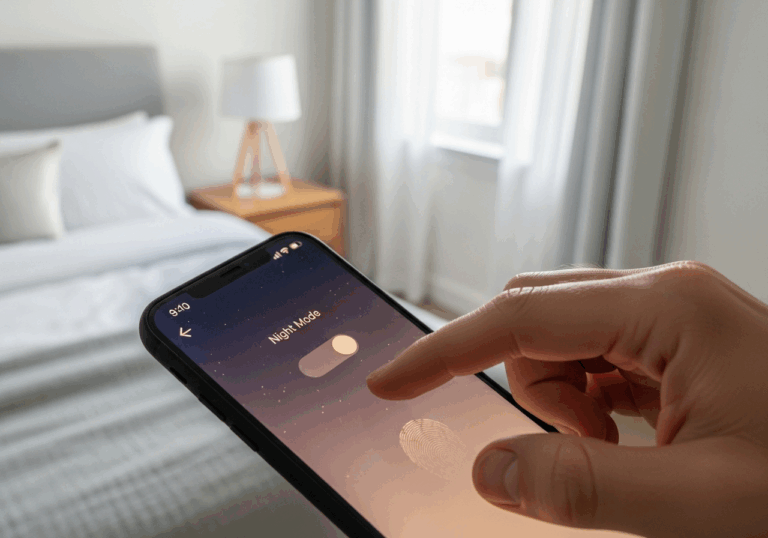
Use dim ambient lighting in your bedroom to create a calming atmosphere.
🎯
Establish a consistent bedtime routine to signal your body it’s time to wind down.
🎯
Limit caffeine intake in the afternoon to improve sleep onset.
📚 The study
The findings suggest that individuals who engage in calming pre-sleep routines, such as reading or using dim ambient lighting, report approximately 20% better sleep quality and enjoy a reduction of about 15 minutes in the time it takes to fall asleep.
This is crucial because improving sleep quality not only enhances our mood but also reduces cognitive activation, leading to a more restorative sleep experience.
The study, conducted by AlShareef in 2022, emphasizes the importance of adopting healthier bedtime habits to combat insomnia and promote better overall well-being.
By replacing screen time with relaxing activities, we can significantly lower the risk of sleep disturbances and improve our daily performance.
As we navigate our busy lives, prioritizing our sleep through mindful routines can lead to a happier, healthier existence.
Embracing these changes could be the key to unlocking a more restful night and a brighter day ahead.
❓ Frequently Asked Questions ❓
Learn more
How does replacing screen time with reading affect sleep?
Replacing screen time with reading can reduce sleep latency by approximately 15 minutes. This change also improves subjective sleep quality by around 20%, leading to better overall mood.
What is sleep latency and why is it important?
Sleep latency refers to the amount of time it takes to fall asleep after turning off the lights. Shorter sleep latency is important as it can lead to more restorative sleep and improved daily performance.
How does dim ambient lighting contribute to better sleep?
Dim ambient lighting creates a calming atmosphere that signals to the body that it’s time to wind down. This can help reduce cognitive activation, leading to improved sleep quality.
What are some effective pre-sleep routines?
Effective pre-sleep routines include reading for at least 30 minutes and using dim lighting in the bedroom. Establishing a consistent bedtime routine can also help signal your body that it’s time to sleep.
How does screen use before bed affect sleep quality?
Bedtime device use has been shown to double the odds of experiencing long sleep latency and poor sleep quality. Reducing screen time before bed can significantly enhance sleep quality and mood.
What impact does caffeine have on sleep onset?
Caffeine intake in the afternoon can delay sleep onset and negatively affect sleep quality. Limiting caffeine consumption can help improve the ability to fall asleep more quickly.
Can improving sleep quality enhance mood?
Yes, improving sleep quality can enhance overall mood by reducing cognitive activation. Better sleep leads to a more positive emotional state and improved daily functioning.
What is the relationship between insomnia and pre-sleep routines?
Adopting calming pre-sleep routines can significantly lower the risk of developing insomnia. These routines help prepare the mind and body for restful sleep.
How long should I read before bed for optimal results?
Reading for at least 30 minutes before bed is recommended for optimal results in improving sleep quality. This practice helps transition the mind into a more relaxed state.
What is the overall benefit of reducing screen time before sleep?
Reducing screen time before sleep can lead to shorter sleep latency and improved subjective sleep quality. This ultimately enhances mood and daily performance.