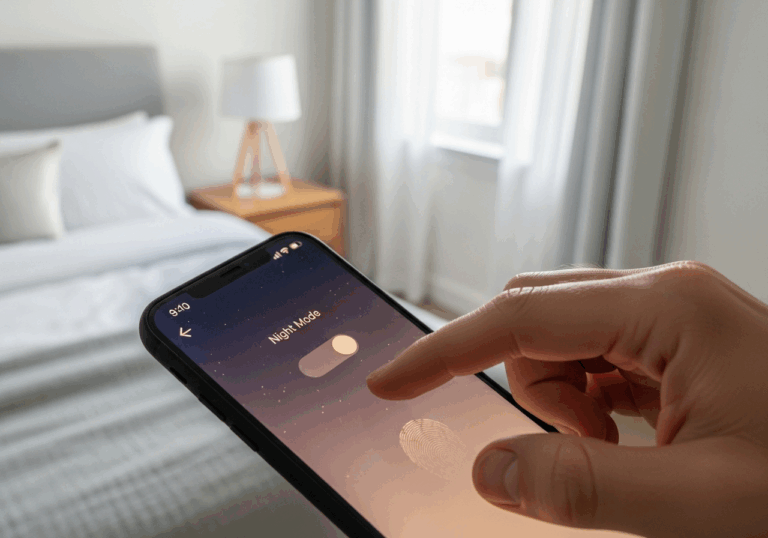
Science-Backed Tips
Improve Sleep Quality by Reducing Screen Time
Avoid devices 1 hour before bed to cut sleep loss by 48 minutes.
📊 Did you know?
💡 Why It Matters
1️⃣
Improving sleep quality can enhance daily functioning and productivity.
2️⃣
Better sleep is linked to improved mood and lower anxiety levels.
3️⃣
Reducing screen time before bed can lead to a healthier sleep routine.
✅ Try These Micro-Tips
🎯
Avoid screens for at least 1 hour before bedtime.
🎯
Establish a calming bedtime routine that does not involve devices.
🎯
Consider reading a book or practicing relaxation techniques before sleep.
🎯
Track your sleep patterns to observe improvements over time.
📚 The study
This significant finding underscores the importance of reducing device usage before bedtime, as it can lead to improved well-being and mood.
Better sleep is not just about quantity; it also enhances daily functioning and productivity. When we prioritize our sleep by minimizing screen time, we pave the way for a healthier sleep routine that can alleviate anxiety and elevate our overall mood.
The study emphasizes that simple changes, such as avoiding phones or tablets for at least one hour before sleep, can have profound effects on our rest and mental health.
By making a conscious effort to disconnect from our devices, we can reclaim our sleep and, in turn, our quality of life.
As we navigate through our busy lives, let’s remember that a good night’s sleep is essential for our physical and mental well-being, and reducing pre-bed screen time is a crucial step towards achieving that goal.
❓ Frequently Asked Questions ❓
Learn more
How does screen time before bed affect sleep quality?
Using screens before bedtime is linked to a 33% higher chance of experiencing poor sleep quality. Reducing screen time can significantly improve overall sleep health and well-being.
What is the recommended duration to avoid screens before sleep?
It is recommended to avoid phones or tablets for at least 1 hour before bedtime. This practice can lead to better sleep quality and improved mood.
How much sleep loss can be reduced by avoiding screens before bed?
Avoiding screens for at least an hour before sleep can cut weekly sleep loss by approximately 48 minutes. This reduction can contribute to better overall health and functioning.
What are the benefits of improving sleep quality?
Improving sleep quality can enhance daily functioning and productivity. Additionally, better sleep is associated with improved mood and lower anxiety levels.
What activities can help establish a calming bedtime routine?
Activities such as reading a book or practicing relaxation techniques can help create a calming bedtime routine. These alternatives to screen time can promote better sleep.
How can I track my sleep patterns?
You can track your sleep patterns using a sleep diary or various sleep tracking apps available. Observing these patterns can help you identify improvements over time.
What is the significance of reducing pre-bed device use?
Reducing pre-bed device use decreases the odds of poor sleep quality by about 33%. This change can lead to significant improvements in mood and overall well-being.
Can improving sleep quality affect my mood?
Yes, better sleep quality is linked to improved mood and reduced anxiety levels. Prioritizing sleep can have a positive impact on emotional health.
What is the impact of cognitive stimulation from devices before bed?
Cognitive stimulation from devices before bed can interfere with the ability to fall asleep and stay asleep. Limiting this stimulation can lead to a more restful night.
Is it difficult to change my bedtime routine to avoid screens?
Changing your bedtime routine may take some time and effort, but it is achievable with consistency. Gradually incorporating calming activities can make the transition smoother.