Science-Backed Tips
Boost Your Mood with Goal-Directed Imagination
Vision boards linked to 30% reduction in depressive symptoms.
📊 Did you know?
💡 Why It Matters
1️⃣
Goal-directed imagery can lead to a 30% decrease in depressive symptoms, enhancing overall mental health.
2️⃣
Improved emotional resilience can lead to better coping strategies in stressful situations.
3️⃣
Increased well-being from visualization practices may reduce healthcare costs associated with mental health treatments.
✅ Try These Micro-Tips
🎯
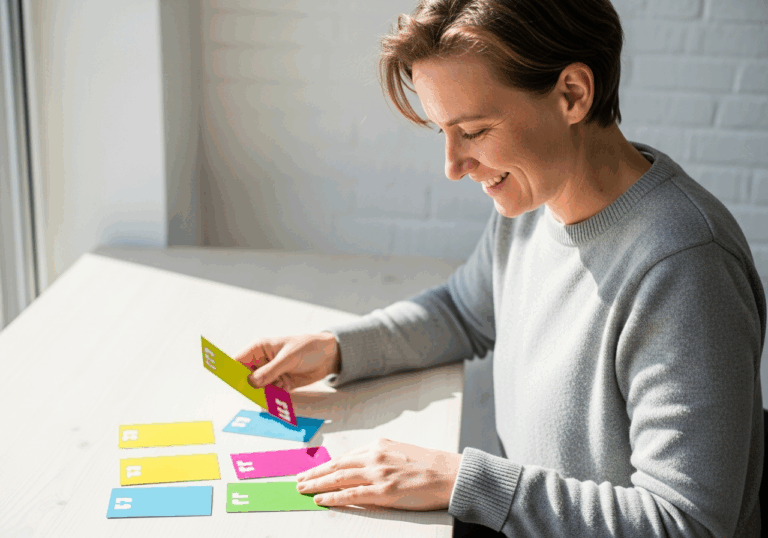
Create a vision board for 30 minutes each week to visualize your goals.
🎯
Engage in 10-minute daily visualization sessions focusing on positive outcomes.
🎯
Incorporate sensory elements like images and affirmations into your visualization practice.
🎯
Reflect on your vision board weekly to reinforce your goals and aspirations.
📚 The study
This fascinating study reveals that clear and positive mental imagery, such as that created through vision boards, is closely linked to enhanced well-being and a significant reduction in depressive symptoms.
By engaging in structured sensory visualization, individuals can experience up to a 30% decrease in feelings of depression, paving the way for improved emotional resilience.
This means that when we visualize our goals and aspirations, we not only uplift our mood but also equip ourselves with better coping strategies for life’s challenges.
The implications of these findings are profound; as we cultivate a practice of visualization, we may not only enhance our personal well-being but also contribute to lowering healthcare costs associated with mental health treatments.
Embracing goal-directed imagery is not just a self-help trend; it’s a scientifically-backed approach to fostering a healthier, happier life.
So, whether you’re creating a vision board or simply taking a moment to visualize your dreams, remember that your imagination holds the key to unlocking a brighter future.
Start today and witness the positive changes unfold in your mental health journey!
❓ Frequently Asked Questions ❓
Learn more
What is goal-directed imagination?
Goal-directed imagination involves using mental imagery to visualize specific goals and positive outcomes. It can enhance well-being and reduce depressive symptoms through structured sensory visualization techniques.
How does using a vision board improve mental health?
Creating a vision board helps individuals visualize their goals, which is linked to increased well-being and decreased depressive symptoms. This practice promotes emotional resilience and boosts mood through positive imagery.
What are the benefits of visualization practices?
Visualization practices can lead to a significant decrease in depressive symptoms and an increase in overall well-being. They also enhance emotional resilience, which improves coping strategies during stressful situations.
How often should I create a vision board?
It is recommended to spend about 30 minutes each week creating or updating your vision board. This regular practice reinforces your goals and aspirations through sensory mental imagery.
What elements should I include in my visualization practice?
Incorporate sensory elements such as images, affirmations, and positive outcomes into your visualization sessions. These elements enhance the effectiveness of your mental imagery and support emotional well-being.
How long should I spend on daily visualization sessions?
Engaging in 10-minute daily visualization sessions is recommended for optimal benefits. This short, focused practice can significantly improve mood and reduce depressive symptoms.
What is the impact of visualization on healthcare costs?
Increased well-being from visualization practices may lead to a reduction in healthcare costs associated with mental health treatments. By improving mental health, individuals may require fewer medical interventions.
How does goal-directed imagery affect emotional resilience?
Goal-directed imagery enhances emotional resilience by providing individuals with effective coping strategies during challenging times. This improved resilience can lead to better overall mental health outcomes.
What is the relationship between visualization and depressive symptoms?
Research indicates that goal-directed imagery can lead to a 30% decrease in depressive symptoms. This reduction is associated with the positive effects of structured visualization on mental health.
How can I reinforce my goals after creating a vision board?
Reflecting on your vision board weekly helps reinforce your goals and aspirations. This regular reflection strengthens your commitment and enhances the benefits of visualization.