Science-Backed Tips
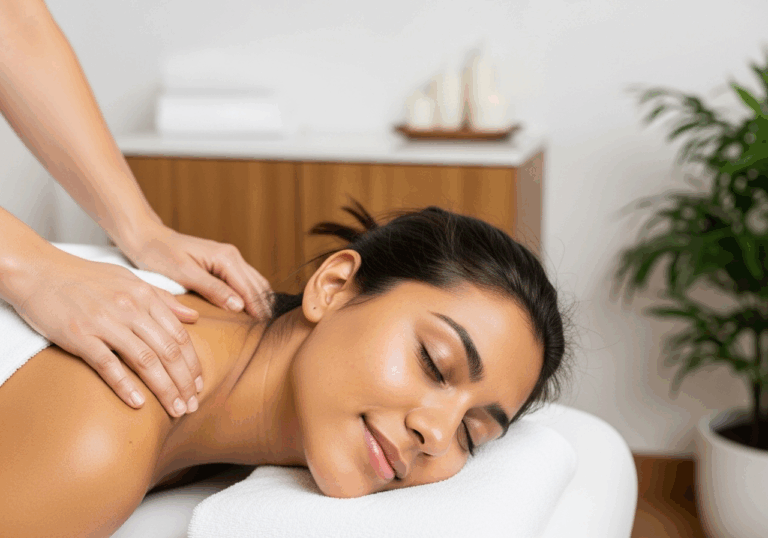
Boost Children’s Mood with Massage Therapy
Multiple massage sessions reduce cortisol by 30% in children.
📊 Did you know?
💡 Why It Matters
1️⃣
Regular massage therapy can lead to a 30% reduction in cortisol, promoting better emotional health in children.
2️⃣
Lower cortisol levels are associated with improved stress management and emotional regulation.
3️⃣
Enhancing sensory well-being through massage may contribute to better overall mental health outcomes in pediatric populations.
✅ Try These Micro-Tips
🎯
Incorporate 20-minute massage sessions into your child’s weekly routine.
🎯
Encourage self-massage techniques for children to practice daily.
🎯
Consider group massage therapy sessions to enhance social interaction.
🎯
Monitor changes in mood and stress levels before and after massage sessions.
📚 The study
Why is this important? Regular massage therapy can lead to a remarkable 30% reduction in cortisol levels, which is crucial for promoting better emotional health in pediatric populations. Lower cortisol levels are linked to improved stress management and emotional regulation, making massage therapy a valuable tool for enhancing mental health outcomes in children. By incorporating massage into their routines, caregivers can provide children with a nurturing experience that not only soothes but also uplifts their mood.
This study highlights the potential of tactile care in fostering emotional resilience and overall well-being in young individuals, making it a compelling option for parents and healthcare providers alike.
❓ Frequently Asked Questions ❓
Learn more
What is the effect of multiple massage sessions on children’s cortisol levels?
Multiple massage sessions in children have been shown to reduce cortisol levels significantly, with a moderate effect size of approximately 0.52. This reduction in cortisol is associated with improved emotional health and stress management.
How does massage therapy impact children’s mood?
Massage therapy can uplift mood in children by reducing cortisol levels and enhancing sensory well-being. Regular sessions may lead to better emotional regulation and overall mental health outcomes.
What is the recommended duration for massage sessions for children?
Incorporating 20-minute massage sessions into a child’s weekly routine is recommended for optimal benefits. This duration is effective in promoting relaxation and reducing stress.
Can children practice self-massage techniques?
Yes, encouraging children to practice self-massage techniques daily can help them manage stress and enhance their emotional well-being. Self-massage fosters independence and awareness of their own sensory needs.
What are the benefits of group massage therapy sessions for children?
Group massage therapy sessions can enhance social interaction among children while providing the benefits of tactile care. These sessions promote a sense of community and shared experience, which can further improve mood.
How much can cortisol levels decrease after multiple massage sessions?
Cortisol levels can decrease by approximately 22% after multiple massage sessions in children. This significant reduction contributes to better stress management and emotional health.
What is the significance of the effect size (d ≈ 0.52) found in the study?
The effect size of d ≈ 0.52 indicates a moderate and significant impact of multiple massage sessions on cortisol reduction in children. This suggests that repeated massage therapy is an effective intervention for enhancing sensory well-being.
How can parents monitor the effects of massage on their child’s mood?
Parents can monitor changes in mood and stress levels before and after massage sessions to assess effectiveness. Keeping a simple journal or checklist can help track these changes over time.
What is the overall conclusion of the meta-analytic review on massage therapy for children?
The meta-analytic review concludes that multiple massage sessions can significantly reduce cortisol levels in children, thereby supporting improved emotional health. This highlights the importance of tactile care in promoting well-being in pediatric populations.
Are there any specific populations that benefit more from massage therapy?
Certain populations, particularly children, show a reliable enhancement in sensory well-being through massage therapy. The hormonal pathways affected by massage can lead to better mental health outcomes in these groups.