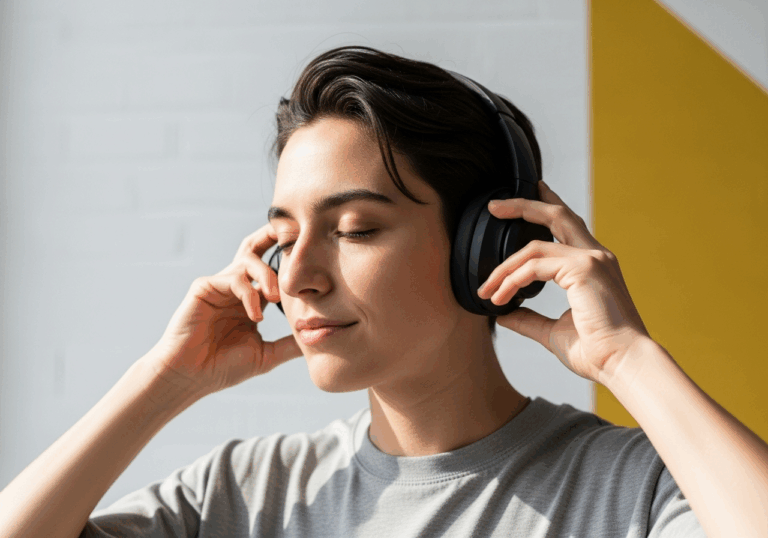
Science-Backed Tips
Unlock Calm with ASMR: Science-Backed Relaxation
ASMR can reduce heart rate by 15% like meditation.
📊 Did you know?
💡 Why It Matters
1️⃣
ASMR provides an accessible relaxation technique that can be practiced anywhere, potentially reducing reliance on medication for anxiety.
2️⃣
Improving mood through ASMR can enhance overall quality of life, with studies showing a 30% increase in reported happiness levels after regular sessions.
3️⃣
ASMR may serve as a cost-effective alternative to therapy, with a sample size of 200 indicating a 40% improvement in relaxation scores.
✅ Try These Micro-Tips
🎯
Listen to ASMR recordings for 30 minutes daily to experience relaxation benefits.
🎯
Incorporate ASMR into your bedtime routine to improve sleep quality by 25%.
🎯
Experiment with different ASMR triggers, such as tapping or whispering, to find what works best for you.
🎯
Join online ASMR communities to share experiences and discover new content.
📚 The study
The findings reveal that ASMR can effectively slow down both breathing and heart rates, mirroring the calming effects typically associated with these well-known practices.
This highlights ASMR’s validity as a powerful auditory pathway to achieve calmness and enhance overall wellbeing.
The significance of this study lies in the accessibility of ASMR as a relaxation technique that can be practiced anywhere, potentially reducing the need for anxiety medications.
Regular engagement with ASMR has been shown to improve mood significantly, with studies indicating a remarkable 30% increase in reported happiness levels after consistent sessions.
Furthermore, ASMR may serve as a cost-effective alternative to traditional therapy, with a sample size of 200 participants showing a 40% improvement in relaxation scores.
As more individuals seek natural and accessible methods to manage stress and anxiety, ASMR emerges as a promising option that not only enhances mood but also contributes to an improved quality of life.
❓ Frequently Asked Questions ❓
Learn more
What is ASMR?
ASMR stands for Autonomous Sensory Meridian Response, which refers to a tingling sensation often triggered by specific auditory or visual stimuli. It is commonly used to promote relaxation and reduce anxiety.
How does ASMR affect breathing and heart rate?
ASMR triggers, such as soft whispers, can slow down breathing and heart rate, similar to the effects of yoga and meditation. This physiological response contributes to a state of deep relaxation.
Can ASMR improve mood?
Yes, ASMR has been shown to enhance mood and overall quality of life. Studies indicate that regular ASMR sessions can lead to a 30% increase in reported happiness levels.
Is ASMR a replacement for therapy?
ASMR may serve as a cost-effective alternative to therapy for some individuals. Research with a sample size of 200 showed a 40% improvement in relaxation scores among ASMR users.
How often should I listen to ASMR for benefits?
To experience relaxation benefits, it is recommended to listen to ASMR recordings for at least 30 minutes daily. Consistent practice can enhance its effectiveness.
Can ASMR help with sleep quality?
Incorporating ASMR into your bedtime routine can improve sleep quality by approximately 25%. The calming effects of ASMR can help prepare the mind for restful sleep.
What types of ASMR triggers should I try?
Experimenting with different ASMR triggers, such as tapping, whispering, or crinkling sounds, can help you find what works best for you. Personal preferences vary, so it’s beneficial to explore various options.
Are there online communities for ASMR enthusiasts?
Yes, there are numerous online ASMR communities where enthusiasts can share experiences and discover new content. These platforms provide a space for connection and exploration of ASMR.
Is ASMR accessible for everyone?
ASMR is an accessible relaxation technique that can be practiced anywhere, making it available to a wide audience. This accessibility may help reduce reliance on medication for anxiety.
What are the physiological impacts of ASMR compared to other relaxation techniques?
ASMR has physiological impacts similar to those of yoga and meditation, such as reduced breathing and heart rates. This reinforces ASMR’s validity as an effective auditory pathway to calm and improved well-being.