Science-Backed Tips
Guided Imagery Reduces Anxiety in Cancer Patients
20-minute sessions improve mood and lower distress significantly.
📊 Did you know?
💡 Why It Matters
1️⃣
Guided imagery offers an accessible and low-cost intervention for mood support in clinical settings.
2️⃣
Improving quality of life for cancer patients can enhance treatment adherence and overall health outcomes.
3️⃣
Reducing psychological distress may lead to better coping strategies during chemotherapy.
✅ Try These Micro-Tips
🎯
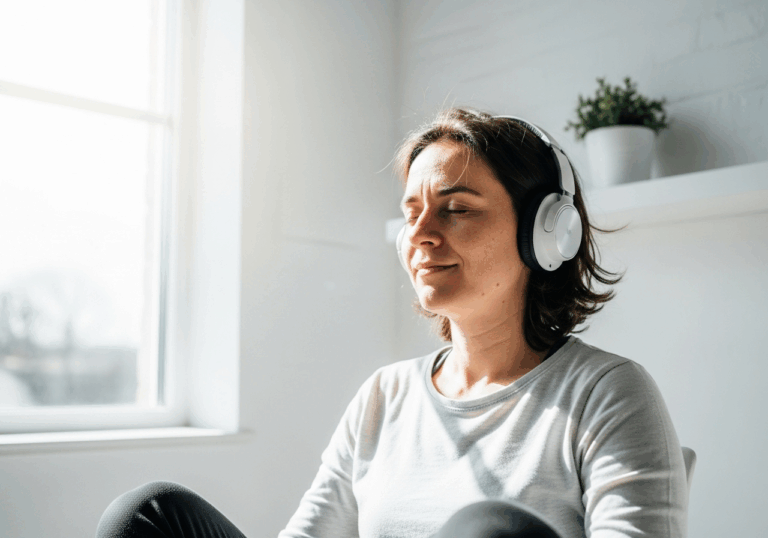
Engage in 20-minute guided imagery sessions daily to reduce anxiety.
🎯
Use audio recordings specifically designed for guided imagery to enhance effectiveness.
🎯
Practice in a quiet, comfortable space to maximize relaxation.
🎯
Consider integrating guided imagery with other therapeutic practices for comprehensive support.
📚 The study
This research highlights the importance of accessible and low-cost interventions like guided imagery, particularly in clinical settings where mood support is crucial.
For cancer patients undergoing chemotherapy, the implications are profound; by reducing psychological distress, guided imagery not only enhances mood but may also lead to better coping strategies during treatment.
This innovative approach offers a simple yet effective way to improve the overall well-being of patients, ultimately contributing to enhanced treatment adherence and better health outcomes.
As we continue to explore the intersection of mental health and physical health, guided imagery stands out as a valuable tool in the arsenal against anxiety, providing a pathway to improved quality of life for those in need.
❓ Frequently Asked Questions ❓
Learn more
What is guided imagery?
Guided imagery is a relaxation technique that involves visualizing calming and peaceful scenes to promote mental well-being. It is often used to reduce anxiety and improve mood in various clinical settings.
How long should I practice guided imagery for it to be effective?
Daily sessions of 20 minutes are recommended for optimal effectiveness. Consistent practice over a week has shown significant reductions in anxiety and improvements in quality of life.
Can guided imagery help cancer patients undergoing chemotherapy?
Yes, guided imagery has been shown to reduce anxiety and depressive symptoms in cancer patients undergoing chemotherapy. This technique can improve mood and lower psychological distress during treatment.
What are the benefits of using audio recordings for guided imagery?
Audio recordings can enhance the effectiveness of guided imagery by providing structured guidance and helping individuals focus on relaxation. They also make the practice more accessible and convenient.
Where is the best place to practice guided imagery?
It is best to practice guided imagery in a quiet, comfortable space to maximize relaxation and focus. This environment helps minimize distractions and promotes a deeper state of calm.
How does guided imagery improve quality of life?
Guided imagery can lead to significant reductions in anxiety and psychological distress, which in turn enhances overall quality of life. Improved mood and coping strategies can also contribute to better health outcomes.
Is guided imagery a low-cost intervention?
Yes, guided imagery is considered a low-cost intervention that can be easily implemented in clinical settings. It requires minimal resources, making it accessible to a wide range of patients.
Can guided imagery be combined with other therapeutic practices?
Integrating guided imagery with other therapeutic practices can provide comprehensive support for individuals. This combination may enhance overall effectiveness and improve coping strategies.
How quickly can I expect to see results from guided imagery?
Participants in studies have reported significant improvements in anxiety and quality of life scores after just one week of daily guided imagery sessions. Individual results may vary, but consistent practice is key.
Who can benefit from guided imagery?
Guided imagery can benefit a wide range of individuals, including those experiencing anxiety, stress, or undergoing medical treatments like chemotherapy. It offers a supportive tool for enhancing mental well-being across various populations.