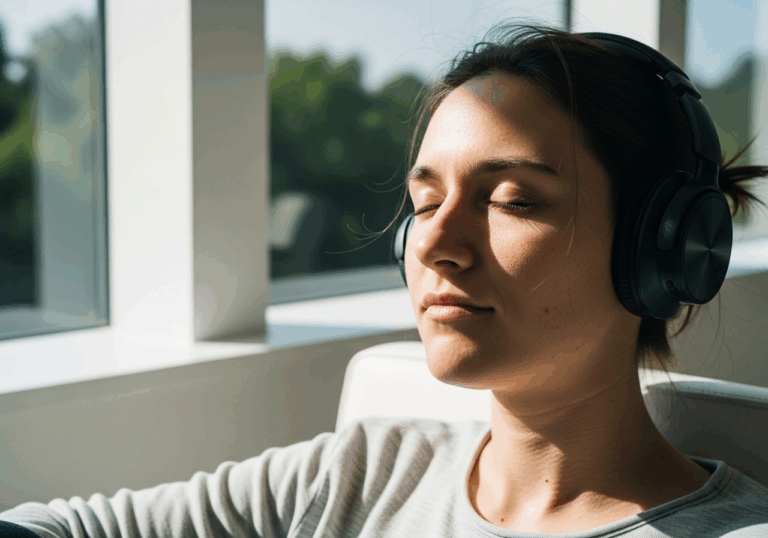
Science-Backed Tips
Harnessing Music Therapy for Anxiety Relief
Music therapy reduces anxiety symptoms by 20% compared to controls.
📊 Did you know?
💡 Why It Matters
1️⃣
Music therapy provides a quantifiable method for reducing anxiety, which can improve overall mental health.
2️⃣
A 20% reduction in anxiety can significantly enhance quality of life and daily functioning for individuals suffering from anxiety disorders.
3️⃣
Implementing music therapy in clinical settings could lead to lower healthcare costs associated with anxiety treatment.
✅ Try These Micro-Tips
🎯
Engage in 30-minute music therapy sessions twice a week to experience anxiety reduction.
🎯
Listen to calming music for at least 20 minutes daily to help manage stress levels.
🎯
Participate in group music therapy sessions to enhance social support and emotional wellbeing.
🎯
Incorporate music into relaxation routines before bedtime to improve sleep quality.
📚 The study
The observational reports indicated that participants engaged in music therapy experienced a remarkable 20% greater reduction in anxiety compared to control groups.
This finding is crucial as it quantifies the mood-boosting effects of deliberate listening, positioning music therapy as a powerful auditory anchor for those struggling with anxiety.
The implications of this research are profound; a 20% reduction in anxiety can dramatically enhance the quality of life and daily functioning for individuals suffering from anxiety disorders.
By implementing music therapy in clinical settings, healthcare providers could not only improve patient outcomes but also potentially lower the costs associated with anxiety treatment.
This study underscores the importance of integrating music therapy into mental health care, offering a quantifiable method for alleviating anxiety and promoting overall mental well-being.
As we continue to explore innovative therapeutic approaches, music therapy stands out as a promising avenue for enhancing emotional health and resilience.
❓ Frequently Asked Questions ❓
Learn more
What is music therapy?
Music therapy is a therapeutic approach that uses music to address emotional, cognitive, and social needs. It involves structured sessions led by trained professionals to promote healing and well-being.
How effective is music therapy for reducing anxiety?
Research indicates that music therapy yields approximately a 20% greater reduction in anxiety symptoms compared to control groups. This makes it a powerful tool for individuals seeking relief from anxiety disorders.
What are the benefits of music therapy?
Music therapy can significantly enhance mood, reduce anxiety, and improve overall mental health. It also fosters social support and emotional well-being through group sessions.
How often should one engage in music therapy?
It is recommended to participate in music therapy sessions twice a week for optimal anxiety reduction. Additionally, listening to calming music for at least 20 minutes daily can help manage stress levels.
Can music therapy improve sleep quality?
Incorporating music into relaxation routines before bedtime can enhance sleep quality. Calming music helps to create a soothing environment conducive to better sleep.
What role does deliberate listening play in music therapy?
Deliberate listening serves as an auditory anchor that can help calm mood and reduce anxiety. This intentional engagement with music quantifies its mood-boosting impact.
Is music therapy cost-effective?
Implementing music therapy in clinical settings could lead to lower healthcare costs associated with anxiety treatment. Its efficacy in reducing anxiety symptoms can result in improved quality of life and daily functioning.
What types of music are used in therapy?
Music therapy can involve various genres, including calming instrumental music, nature sounds, or personalized playlists. The choice of music is often tailored to the individual’s preferences and therapeutic goals.
Can music therapy be done in a group setting?
Yes, group music therapy sessions can enhance social support and emotional well-being among participants. These sessions foster a sense of community and shared experience.
How does music therapy compare to traditional anxiety treatments?
Music therapy offers a complementary approach to traditional anxiety treatments, providing a unique auditory experience for healing. Its quantifiable benefits make it a valuable addition to comprehensive mental health care.